For a small island, Sri Lanka boasts a staggering diversity of wildlife. With 26 national parks, numerous nature reserves, and a remarkable range of habitats — from tropical rainforests to arid scrublands — the island offers some of the finest wildlife viewing opportunities in all of Asia.
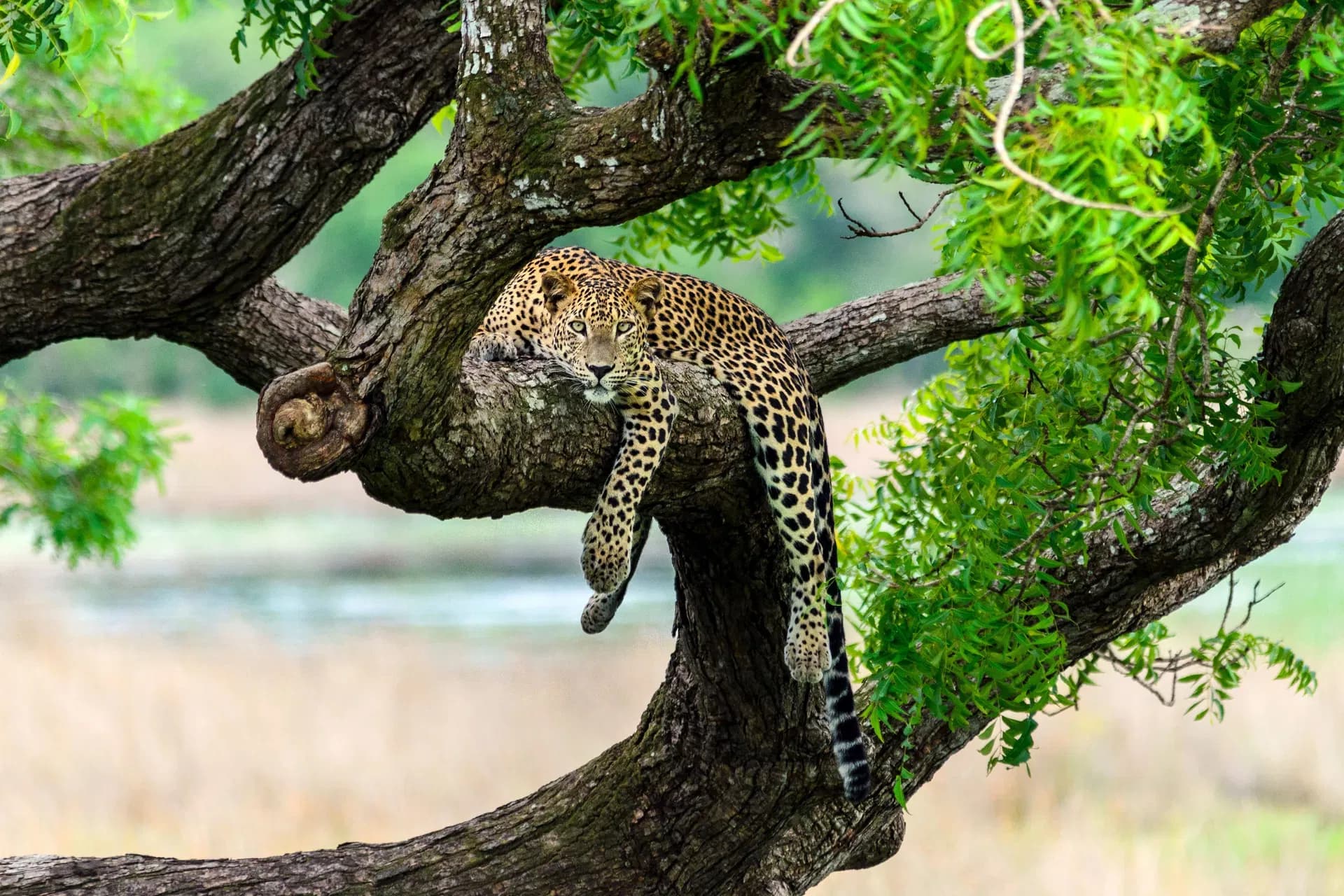
Yala National Park is the crown jewel of Sri Lankan safaris. Located in the southeast corner of the island, it's home to the world's highest concentration of leopards. While these elusive cats can never be guaranteed, experienced trackers achieve impressive sighting rates, especially during the dry months of February to July when animals congregate around shrinking water holes.
Udawalawe National Park is the place for elephant encounters. Home to over 600 wild elephants, sightings here are virtually guaranteed. The landscape of golden grasslands backed by mountain silhouettes creates a setting reminiscent of the African savanna. The adjacent Elephant Transit Home cares for orphaned calves before releasing them back into the wild.
Wilpattu National Park in the northwest is Sri Lanka's largest park and remains relatively uncrowded. Known for its unique 'villus' (natural lakes), Wilpattu offers excellent chances of spotting leopards, sloth bears, and spotted deer in a more secluded setting.
Minneriya and Kaudulla national parks host one of Asia's greatest wildlife spectacles: 'The Gathering.' Between July and October, hundreds of wild elephants converge on the receding reservoirs to feed and socialise, creating scenes of breathtaking magnitude.
For birdwatchers, Sri Lanka is paradise. The island is home to 34 endemic bird species and lies along major migratory flyways. Kumana National Park, Bundala wetlands, and the Sinharaja rainforest are premier birding destinations.
Marine wildlife is equally impressive. Blue whales — the largest animals ever to have lived — can be spotted off Mirissa between November and April. Spinner dolphins frequently accompany whale-watching boats, putting on acrobatic displays.
To maximise your wildlife experience, we recommend early morning safaris when animals are most active. A quality pair of binoculars and a long camera lens will enhance every sighting. Most importantly, always choose ethical, licensed safari operators who respect the animals and their habitat.