One of Sri Lanka's greatest advantages as a travel destination is that it's a year-round destination. Thanks to two distinct monsoon seasons affecting different parts of the island at different times, there's always a sunny, dry region to explore no matter when you visit.
The southwest monsoon (Yala) runs from May to September, bringing rain to the west and south coasts. During this period, the east coast — including Trincomalee, Passikudah, and Arugam Bay — enjoys beautiful dry weather with calm seas perfect for swimming and surfing.
Conversely, the northeast monsoon (Maha) arrives from October to January, making the east coast wet while the west and south coasts bask in sunshine. This is peak season for destinations like Mirissa, Galle, Bentota, and the hill country around Ella and Nuwara Eliya.
The inter-monsoon periods of April and October-November can bring brief showers island-wide, but these are typically short afternoon bursts that rarely disrupt travel plans. In fact, the shoulder seasons often offer the best value with fewer crowds and lower prices.
For wildlife enthusiasts, the driest months in the southeast (February to July) concentrate animals around water sources in Yala and Udawalawe national parks, dramatically improving safari sighting opportunities.
Cultural visitors should time their trip around Sri Lanka's vibrant festivals. The Kandy Esala Perahera in July-August is a spectacular ten-day festival featuring decorated elephants, traditional dancers, and drummers. Sinhala and Tamil New Year in April brings colourful celebrations island-wide.
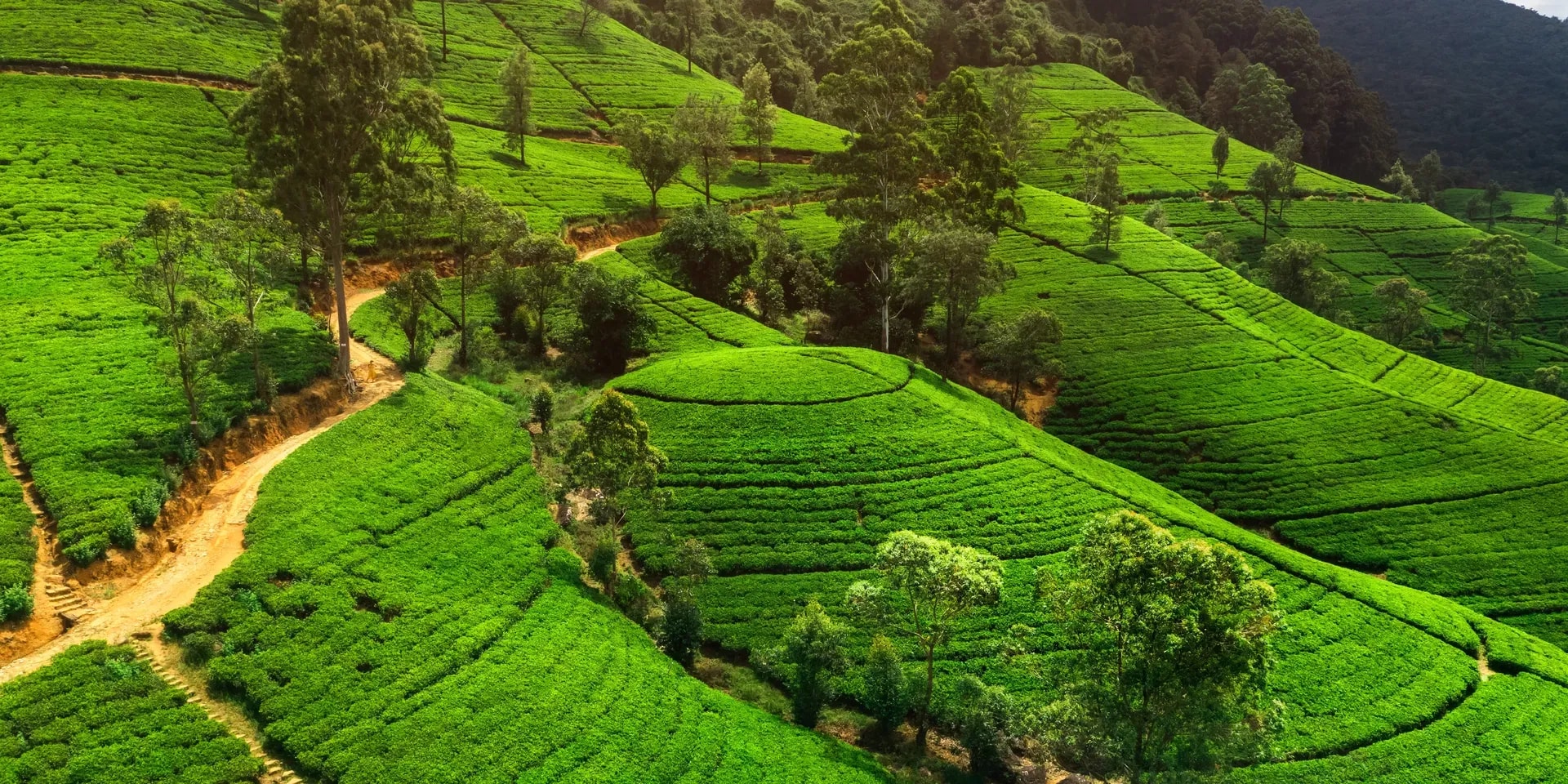
The hill country maintains pleasant temperatures year-round, typically between 15-25°C, making it an excellent escape from coastal heat at any time of year. Nuwara Eliya can even get chilly at night, so pack a light jacket.
Our recommendation? December to March for the south and west coasts, May to September for the east coast, and any time for the cultural triangle and hill country.